13 Best Low Light Indoor Plants
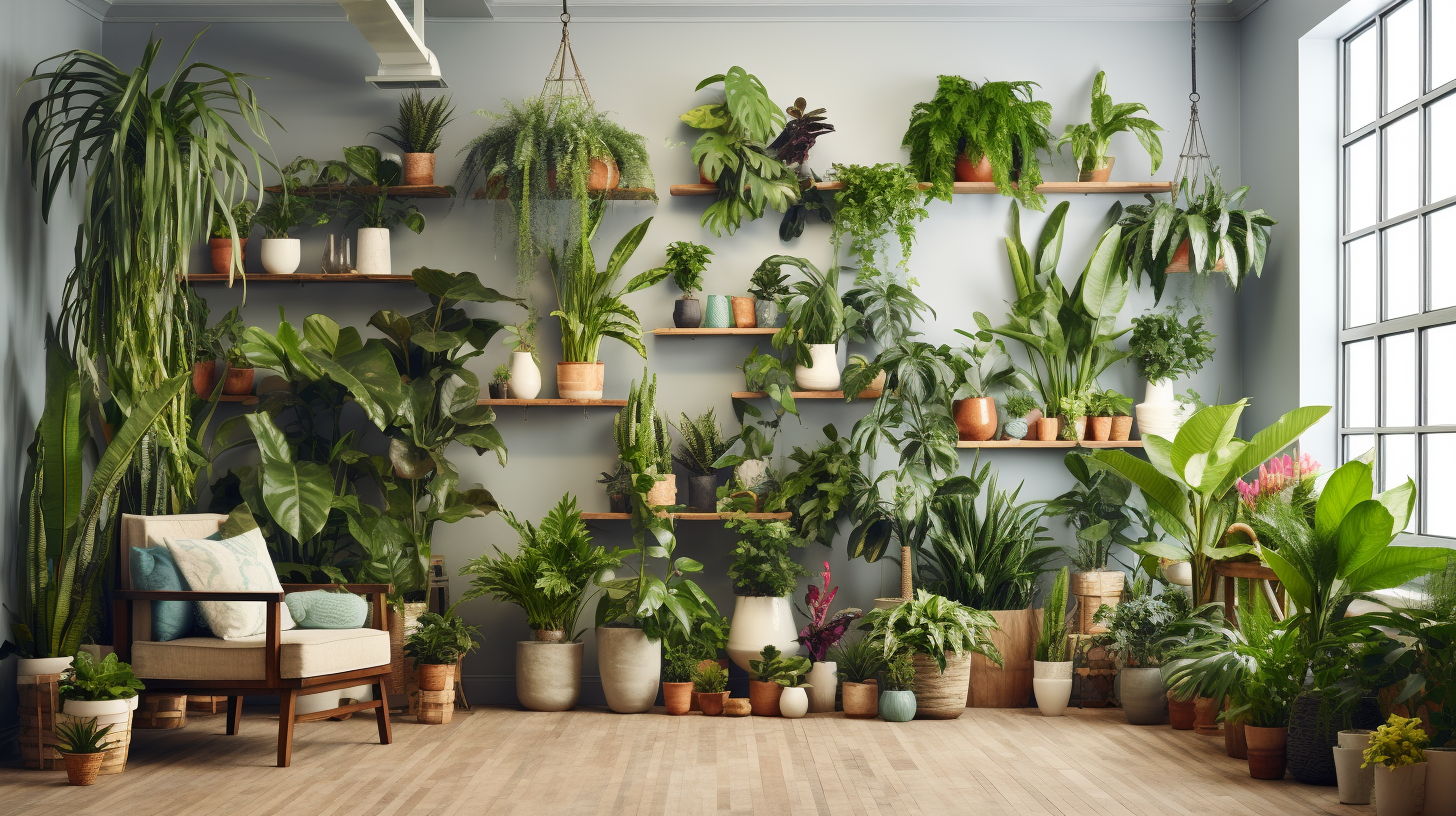
We’ve got your back for all the plant enthusiasts out there struggling with dimly lit spaces, busy schedules, or frequent travel! Welcome to a guide that will transform even the most notorious houseplant killers into nurturing, green-thumbed champions. This post will delve into the world of low-light houseplants – a perfect solution for those seeking green companionship without abundant sunlight. At the end of this post is a detailed guide on caring for the 13 Best Low Light Indoor Plants.

Understanding Low-Light Houseplants
Before we list the incredible low-light plants, let’s address the common misconception about “zero sunlight” requirements. Unlike mythical plants that thrive in complete darkness, many low-light houseplants can endure and flourish in less-than-ideal lighting conditions.
In nature, certain plants adapt to limited sunlight by growing under the canopy of larger plants, receiving dappled or diffused light. Houseplants, being resilient organisms, have evolved to tolerate such conditions. It’s essential to comprehend that houseplant care involves an ongoing learning process, where success depends on various factors.
Characteristics of Low Light Plants
While these low-light warriors may not produce vibrant blooms, they compensate with slow, steady growth and large green leaves, optimizing their ability to capture available light for sustenance. Patience is key when caring for these plants, as they may take longer to reach maturity.

13 Low Light Indoor Plants
Here are our preferred low-light houseplants. While the post later outlines each plant’s detailed benefits, here’s a quick list for those seeking a brief overview.
- Lucky Bamboo: A symbol of good fortune, this easy-to-care-for plant thrives in low light and adds an elegant touch to any space.
- Spider Plant: Known for its air-purifying qualities, it is resilient and can adapt to various light conditions.
- ZZ Plant: Almost indestructible, the ZZ plant is an excellent choice for low-light areas and requires minimal attention.
- Golden Pothos: With its trailing vines and heart-shaped leaves, the golden pothos is a low-maintenance beauty that tolerates low-light conditions.
- Kangaroo Fern: A unique and charming choice, the kangaroo fern thrives in moderate to low light, making it perfect for dimly lit spaces.
- Red Prayer Plant: Renowned for its stunning foliage, the red prayer plant is a shade-loving option that adds color to your indoor oasis.
- Areca Palm: Bring a touch of the tropics indoors with the areca palm, a low-light-loving plant that adds a tropical vibe to your home.
- Peace Lily: Despite its name, the peace lily is a shade-loving plant that boasts elegant white blooms and air-purifying qualities.
- Peperomia: Compact and diverse, peperomias are known for their unique leaf shapes and adaptability to low-light conditions.
- Snake Plant: A true survivor, the snake plant thrives on neglect and is an excellent choice for low-light environments.
- Peacock Plant: The Peacock Plant is the charismatic showstopper of indoor greenery, boasting vibrant, patterned leaves that dance with color, turning any space into a lively spectacle.
- Dumb Cane: Dumb Cane is your silent companion in greenery. With its unique and exotic foliage, it effortlessly thrives indoors, proving that elegance doesn’t always need a loud statement.
- Dragon Tree: This is your leafy co-pilot in the indoor jungle, adding a touch of mythical charm and slaying bad vibes one vibrant frond at a time!
Caring for houseplants can be manageable, especially for those with less-than-ideal lighting situations. With the proper selection of low-light plants and patience, anyone can cultivate a lush, green indoor haven. So, for all the aspiring plant parents, dive into the world of low-light houseplants and watch your indoor garden thrive in the shadows. Team Paradise is ROOT-ing for your success!
Who Can Benefit from Low Light Indoor Plants?
Low-light plants are ideal for individuals who reside in dimly lit apartments, maintain hectic work schedules, or seek low-maintenance plant care. They are particularly advantageous for those who wish to enjoy the beauty of indoor greenery without the need for constant attention. Additionally, if you are a frequent traveler and worry about your plants surviving your absence, these 13 low-light houseplants are guaranteed to add a touch of vibrancy to any room in your home.
Exploring the Advantages of Low Light Plants
Embracing low-light plants offers a myriad of benefits. They combine low maintenance with the same stunning beauty as their full-sun counterparts. Specifically designed for individuals dwelling in apartments with bustling schedules or frequent travelers, these houseplants offer a practical and aesthetic solution.
Their adaptability extends to homes with low or diffused lighting, as low-light plants can thrive in limited sunlight. Beyond their visual appeal, houseplants are crucial in enhancing indoor environments. They contribute to air purification, combat indoor pollutants, improve focus, and offer mental well-being benefits.
Common Pitfalls in Caring for Low-Light Plants
While some low-light houseplants are budget-friendly and require minimal effort, it’s important to note that they are not entirely maintenance-free. Like any other plant, the key to ensuring the longevity of low-light houseplants lies in consistent watering and regular fertilization. Many of these plants feature broad leaves that maximize light absorption in low-light conditions, translating to lower water requirements. Understanding and meeting these needs will help cultivate a thriving indoor oasis.
Unlocking the World of Low Light Houseplants: A Guide to Easy Care
Low-light indoor houseplants offer a green oasis for individuals navigating dim living spaces, bustling work schedules, or frequent travels. Our simple guide below elaborates on our 13 low-light houseplants. It sheds light on their benefits, common mistakes to avoid, and practical tips for keeping these leafy companions thriving in your home.
Are You a Serial Houseplant Killer? Fear Not!
Embarking on caring for indoor plants doesn’t have to be intimidating. If you have a less-than-stellar track record, this guide is here to help. Discover 10+ low-light indoor plants that defy the need for abundant sunlight, making them perfect for homes or offices with limited natural light.
While the quest for “zero” sunlight plants remains elusive, the post unravels the science behind why certain houseplants thrive in low-light conditions. It’s a delicate balance, and understanding the variables involved in houseplant care is crucial for success.
Who Can Benefit from Low-Light Indoor Plants?
Low-light plants are ideal for individuals who reside in dimly lit apartments, maintain hectic work schedules, or seek low-maintenance plant care. They are particularly advantageous for those who wish to enjoy the beauty of indoor greenery without the need for constant attention. Additionally, if you are a frequent traveler and worry about your plants surviving your absence, these 13 low-light houseplants are guaranteed to add a touch of vibrancy to any room in your home.

The Marvels of Low Light Plants
Low-light plants offer not only aesthetic appeal but also practical benefits. They require minimal maintenance while maintaining the same beauty as their full-sun counterparts. Suited for apartment dwellers with busy schedules or frequent travelers, these resilient plants thrive in low or diffused light, contributing to improved air quality, reduced indoor pollutants, enhanced focus, and mental well-being.
Avoiding Pitfalls in Low Light Plant Care
While some low-light houseplants are low-cost and low-maintenance, they still require care. They water when the soil is dry, and regular fertilization is key to their well-being. Oversaturating the soil can lead to root rot, and excess fertilizer during non-growing seasons may harm the roots. Understanding the specific needs of low-light plants, often characterized by large, light-catching leaves, is essential for success.
Nurturing Indoor Plants in Limited Sunlight
Certain houseplants can survive and thrive with a plant light or even in limited natural light for homes with few windows or areas deprived of ambient light. Alternatively, a GE Plant Light Bulb can be added to existing lamps to provide the necessary light. Ensuring the light is positioned appropriately prevents the plants from stretching and becoming “leggy,” a condition where stems grow excessively long without producing leaves.
Conclusion: Flourishing in the Shadows
This comprehensive guide is a beacon of support for those venturing into indoor plants, especially low-light varieties. These 10-plus houseplants, adorned with beauty and resilience, are poised to transform your space into a thriving haven of greenery. Whether you’re a seasoned plant parent or a novice, these low-light wonders are ready to make your home their sanctuary. Happy planting!
A Guide On How To Care For Indoor House Plants
These plants are suitable for rooms with no windows or north-facing windows; some can even survive on fluorescent light alone. However, when growing plants in low-light conditions, it’s important to remember that even low-light plants still need some light, so they should not be placed in total darkness.

Lucky Bamboo
The Lucky Bamboo (Dracaena sanderiana) is a fantastic indoor plant celebrated for its aesthetic appeal, ease of care, and symbolic significance in bringing good fortune. Here’s why it’s a great choice and tips on its care:
Benefits of Lucky Bamboo:
- Symbolic Significance: Known for its association with good luck and positive energy in Chinese culture, the Lucky Bamboo adds a touch of symbolism to your indoor space.
- Low Light Tolerance: Lucky Bamboo is adaptable to various light conditions, including low light. While it can tolerate low light, it appreciates bright, indirect light for optimal growth.
- Low Maintenance: This resilient plant requires minimal attention, making it an excellent choice for busy individuals or those new to plant care.
Light Requirements:
Lucky Bamboo can thrive in low to moderate light conditions. While it can tolerate lower light levels, providing indirect sunlight enhances its growth. Avoid exposing it to direct sunlight for extended periods, which can scorch the leaves.
Care Tips:
- Watering: Keep the Lucky Bamboo’s roots consistently moist but not waterlogged. Use distilled or filtered water to prevent mineral buildup on the leaves.
- Soil: Use a well-draining potting mix if the plant is grown in soil. If grown in water, change the water regularly to maintain cleanliness and prevent stagnation.
- Container: If you’re growing in soil, choose a container with drainage holes. For water cultivation, use a container that allows the roots to submerge without overcrowding.
- Temperature and Humidity: Lucky Bamboo thrives in average room temperatures and is adaptable to moderate humidity levels. Please protect it from drafts and extreme temperature fluctuations.
- Fertilizing: Fertilize sparingly during the growing season (spring and summer) with a balanced, diluted fertilizer. Reduce or eliminate fertilization during the fall and winter.
- Pruning: Trim any yellow or damaged leaves using clean, sharp scissors to maintain the plant’s appearance.
Symbolic Arrangements:
Lucky Bamboo is often arranged in symbolic formations, such as a spiral for wealth or a bundle for happiness. These arrangements add cultural significance to the plant. Luckily, Lucky Bamboo is an excellent indoor plant for its visual appeal, cultural symbolism, and ease of care. It is ideal for both experienced plant enthusiasts and those new to indoor gardening.
Spider Plant
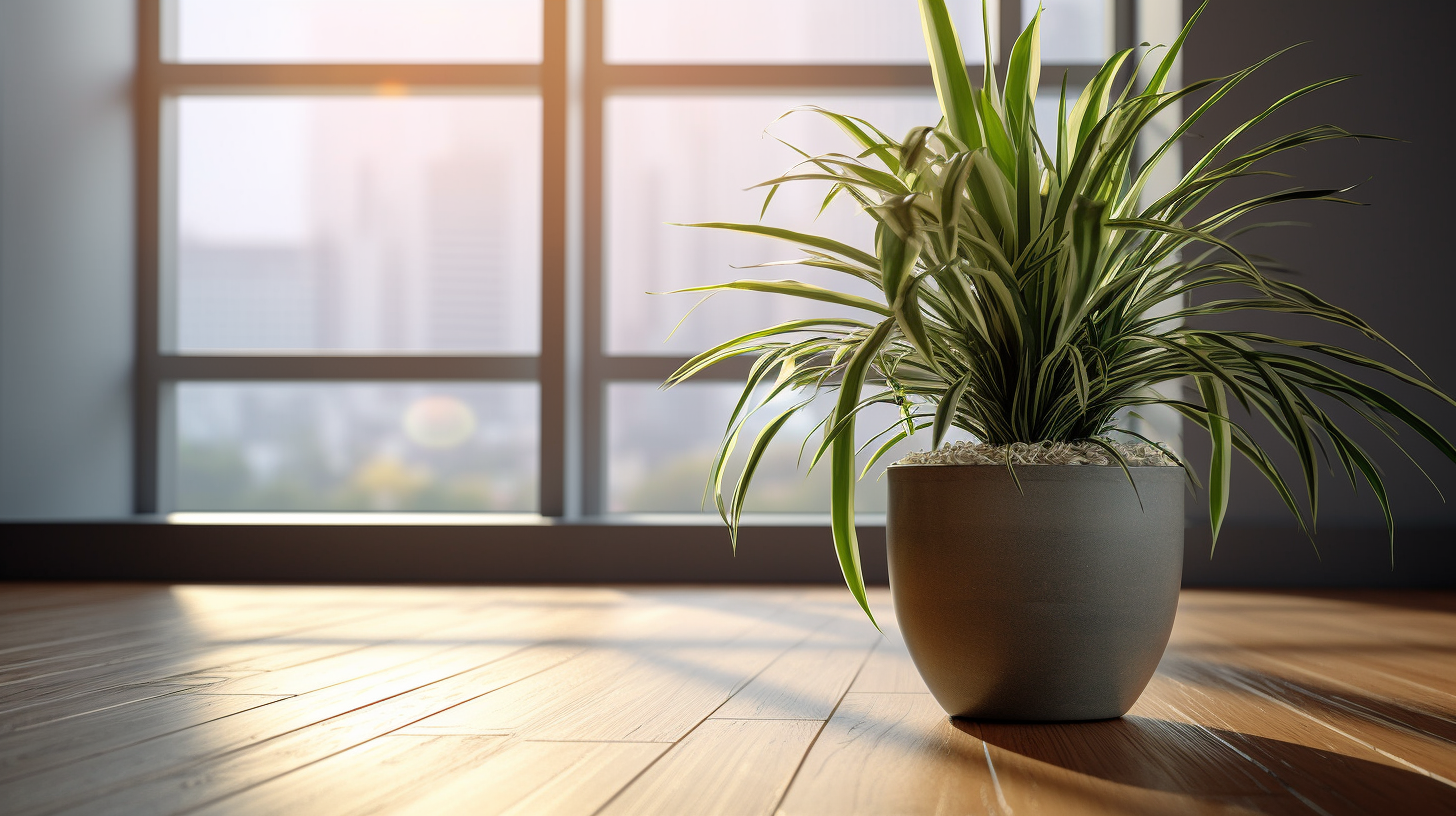
The Spider Plant (Chlorophytum comosum) is a popular and versatile houseplant known for its air-purifying qualities and adaptability to various indoor conditions. Here are several reasons why the Spider Plant is an excellent choice for indoor cultivation and some tips on caring for it:
Benefits of Spider Plants:
- Air Purification: Spider Plants are excellent air purifiers. They can remove common indoor pollutants like formaldehyde and xylene, improving your home’s air quality.
- Easy to Grow: Spider Plants are known for their resilience and adaptability. Even if you’re a novice plant parent with no green thumb, you’ll find Spider Plants forgiving and easy to care for.
- Non-Toxic: Spider Plants are safe for pets. Unlike some houseplants that can be toxic to cats and dogs, Spider Plants are non-toxic, making them a pet-friendly choice for households with furry friends.
- Produce Offsets (Pups): One of the unique features of Spider Plants is their ability to produce offsets, often referred to as “pups” or “spiderettes.” These baby plants grow on long stems and can be propagated to create new plants, making Spider Plants a great option for those looking to expand their indoor greenery.
Spider Plant Light Requirements:
Spider Plants are adaptable to light conditions, making them suitable for various indoor environments. They can thrive in bright, indirect light but tolerate lower light levels, making them versatile for homes with different lighting situations. However, they may not do well in direct, harsh sunlight, which can scorch their leaves.
Spider Plant Care Tips:
- Light: Place your Spider Plant in bright, indirect light for optimal growth. It can tolerate lower light conditions but may not thrive in intense sunlight.
- Watering: Spider Plants prefer consistently moist soil but avoid being waterlogged. Water them when the top inch of the soil feels dry. Overwatering can lead to root rot, so allowing the soil to dry between waterings is essential.
- Soil: Use well-draining potting soil to ensure good aeration for the roots. Spider Plants are not overly picky about soil types but appreciate a well-balanced mix.
- Temperature and Humidity: Spider Plants prefer average room temperatures and moderate humidity. They can tolerate slightly cooler conditions but should be protected from drafts and extreme temperature fluctuations.
- Fertilizing: Feed your Spider Plant with a balanced, water-soluble fertilizer during the growing season (spring and summer) every 2-4 weeks. Reduce fertilization in the fall and winter when the plant’s growth slows.
- Pruning: Trim yellow or brown leaves to encourage healthy growth. Remove the spiderettes to propagate new plants.
By providing your Spider Plant with the right conditions and regular care, you can enjoy the beauty and benefits of this charming houseplant in your indoor space.
ZZ Plant (Zamioculcas zamiifolia)
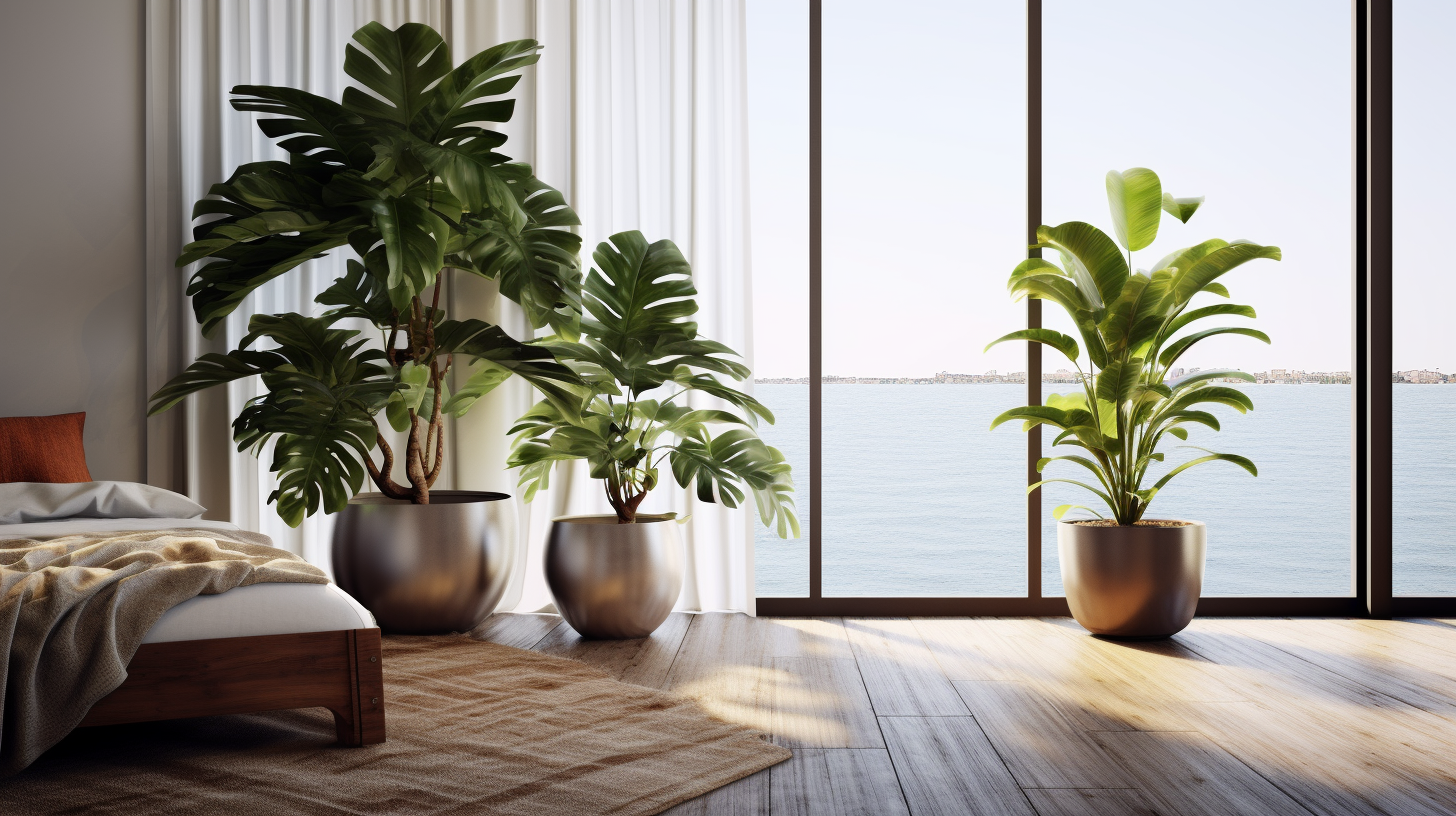
The ZZ Plant (Zamioculcas zamiifolia) is a popular indoor plant known for its resilience, low-maintenance nature, and adaptability to various indoor conditions. Here are several reasons why the ZZ Plant is an excellent choice for indoor cultivation and some tips on caring for it:
Benefits of ZZ Plant:
- Low Light Tolerance: One of the ZZ Plant’s standout features is its ability to thrive in low-light conditions. It can adapt to various light levels, including low and indirect light, making it suitable for spaces with limited natural light.
- Drought Tolerance: ZZ Plants are highly drought-tolerant and can go for extended periods without water. This makes them ideal for forgetful or busy plant owners needing help adhering to a strict watering schedule.
- Air Purification: Like many other houseplants, the ZZ Plant improves indoor air quality by removing toxins such as benzene, formaldehyde, and xylene from the air.
- Easy Care: ZZ Plants are resilient and can withstand neglect. They are forgiving of occasional lapses in care, making them an excellent choice for beginners or those needing more plant maintenance time.
Light Requirements:
ZZ Plants are adaptable to light. They can tolerate low-light conditions and do well in bright, indirect light. However, they should be protected from direct sunlight, which can scorch their leaves. ZZ Plants are well-suited for offices, bathrooms, or rooms with minimal natural light.
Care Tips:
- Watering: ZZ Plants prefer to dry out between waterings. Allow the top inch of soil to become dry before watering. Overwatering can lead to root rot, so letting the soil dry out partially between waterings is essential.
- Soil: Use well-draining potting soil to prevent waterlogged conditions. A cactus or succulent mix is suitable for ZZ Plants.
- Temperature and Humidity: ZZ Plants thrive in average room temperatures and tolerate low humidity. They are adaptable to different temperature ranges but should be protected from extreme cold.
- Fertilizing: Fertilize ZZ Plants sparingly. During the growing season (spring and summer), you can apply a balanced, diluted fertilizer every 2-4 weeks. Reduce or eliminate fertilization during the fall and winter when the plant’s growth slows.
- Pruning: While ZZ Plants are generally low-maintenance, you can trim back any yellow or damaged leaves. However, they don’t require extensive pruning.
- Propagation: ZZ Plants can be propagated by dividing the rhizomes and underground stems, which can be done during repotting.
By following these care tips and providing your ZZ Plant with the right conditions, you can enjoy the beauty and durability of this resilient houseplant in your indoor space.

Golden Pothos (Epipremnum aureum)
The Golden Pothos (Epipremnum aureum), also known as Devil’s Ivy, is a popular and versatile houseplant offering numerous benefits for indoor spaces. Here are several reasons why the Golden Pothos is an excellent choice for indoor cultivation and some tips on caring for it:
Benefits of Golden Pothos:
- Air Purification: Golden Pothos is known for its air-purifying qualities. It can effectively remove indoor pollutants like formaldehyde, benzene, and xylene, contributing to better air quality.
- Adaptability: Golden Pothos is highly adaptable and can thrive in various indoor conditions. This makes it suitable for both beginners and experienced plant enthusiasts.
- Low Maintenance: One of the key reasons for the popularity of Golden Pothos is its low-maintenance nature. It can tolerate various light levels and forgives occasional lapses in care.
- Aesthetic Appeal: The Golden Pothos’s trailing vines and heart-shaped leaves add a touch of greenery and elegance to any indoor space. It’s often used in hanging baskets or as a trailing plant on shelves.
Light Requirements:
Golden Pothos is relatively flexible when it comes to light conditions. It can thrive in various lighting situations, including low to bright, indirect light. While it can tolerate lower light levels, it will grow more vigorously and produce more variegation in brighter conditions. However, direct sunlight should be avoided as it can scorch the leaves.
Care Tips:
- Watering: Allow the top inch of the soil to dry out before watering. Golden Pothos prefers moderately moist soil but can withstand periods of drought. Overwatering can lead to root rot, so it’s crucial to maintain a proper watering balance.
- Soil: Use a well-draining potting mix to ensure good aeration for the roots. A standard indoor plant mix is suitable.
- Temperature and Humidity: Golden Pothos is adaptable to average room temperatures and humidity levels. It can withstand various conditions but should be protected from extreme temperature fluctuations.
- Fertilizing: Feed your Golden Pothos with a balanced, diluted fertilizer every 4- 6 weeks during the growing season (spring and summer). Reduce or eliminate fertilization in the fall and winter when the plant’s growth slows.
- Pruning: Trim back leggy or overgrown stems to encourage bushier growth. Regular pruning can help maintain the plant’s shape and appearance.
- Propagation: Golden Pothos is easy to propagate through stem cuttings. Cut a healthy stem with a few leaves and place it in water or directly into the soil for root development.
Following these care tips, you can enjoy the Golden Pothos as a resilient and attractive addition to your indoor plant collection.
Kangaroo Fern
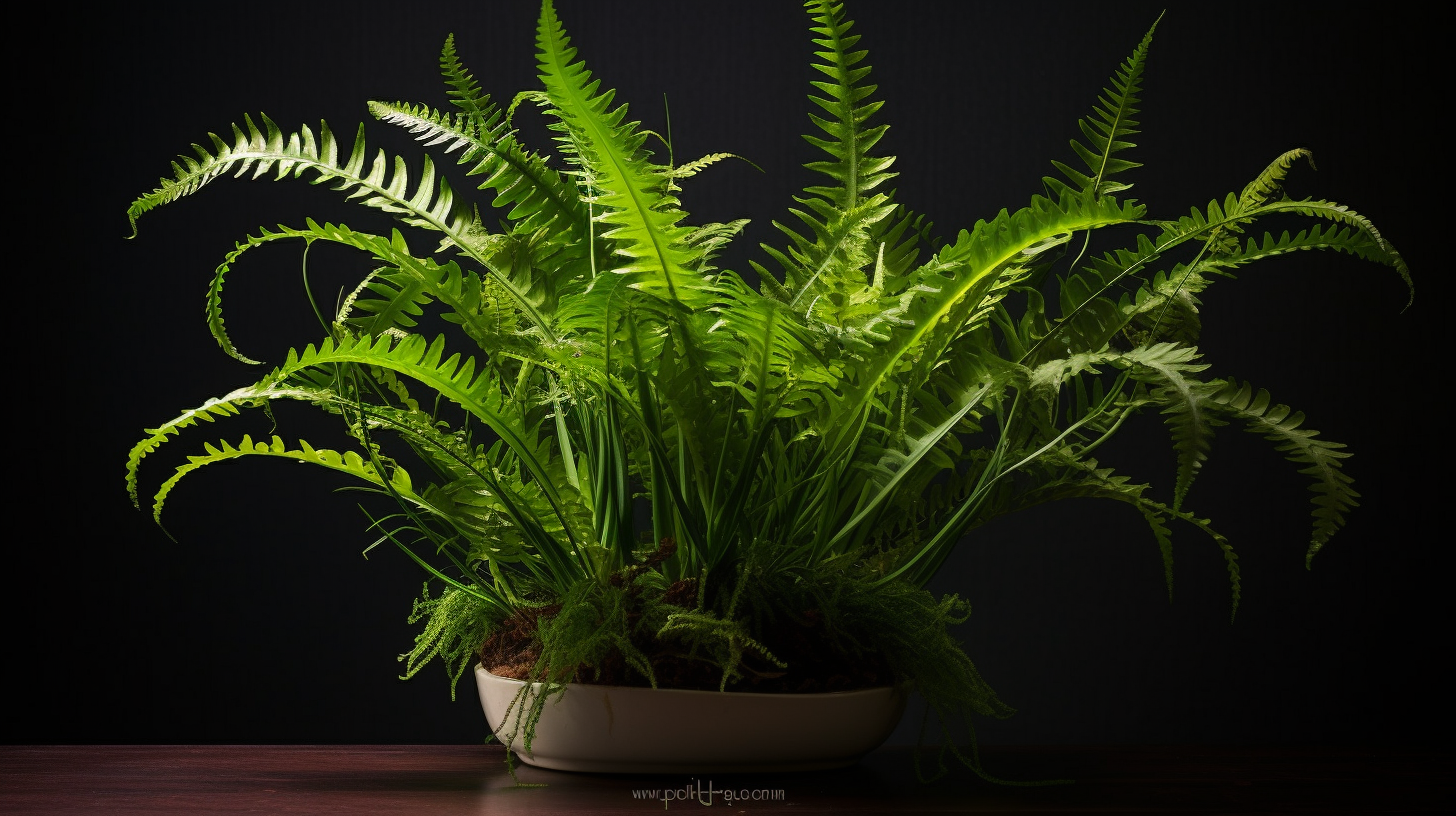
The Kangaroo Fern (Microsorum diversifolium), charming fronds resembling kangaroo paws, is an excellent indoor plant celebrated for its lush foliage and low-maintenance care. Here’s why it’s a great choice and tips on its care:
Benefits of Kangaroo Fern:
- Aesthetic Appeal: The Kangaroo Fern’s distinctive, finely cut fronds add a touch of elegance to indoor spaces, creating a visually appealing, textured display.
- Low Light Tolerance: This fern is well-suited for low-light conditions, making it a versatile option for areas with limited natural light.
- Adaptability: The Kangaroo Fern is adaptable to various indoor environments, making it suitable for both beginners and experienced plant enthusiasts.
Light Requirements:
The Kangaroo Fern thrives in low to moderate light conditions. While it can tolerate low light, providing indirect sunlight enhances its growth. Avoid exposing it to direct sunlight for extended periods, which can scorch the leaves.
Care Tips:
- Watering: Keep the soil consistently moist but not waterlogged. Allow the top inch of soil to dry out before watering. Kangaroo Ferns appreciate higher humidity, so misting the leaves can be beneficial.
- Soil: Use a well-draining potting mix rich in organic matter, such as peat or coconut coir, to create a moisture-retentive environment.
- Container: Choose a pot with drainage holes to prevent waterlogging. Ensure the container is proportionate to the size of the fern.
- Temperature and Humidity: Kangaroo Ferns prefer average room temperatures and higher humidity levels. Protect them from drafts and extreme temperature fluctuations.
- Fertilizing: Feed the Kangaroo Fern with a balanced, diluted liquid fertilizer during the growing season (spring and summer) every 4-6 weeks. Reduce or eliminate fertilization during the fall and winter.
- Pruning: Trim any yellow or damaged fronds to maintain the plant’s appearance and encourage healthy growth.
The Kangaroo Fern is an excellent indoor plant, prized for its aesthetic appeal and ability to adapt to low-light conditions. This fern can thrive adequately, adding a touch of greenery to your indoor oasis.
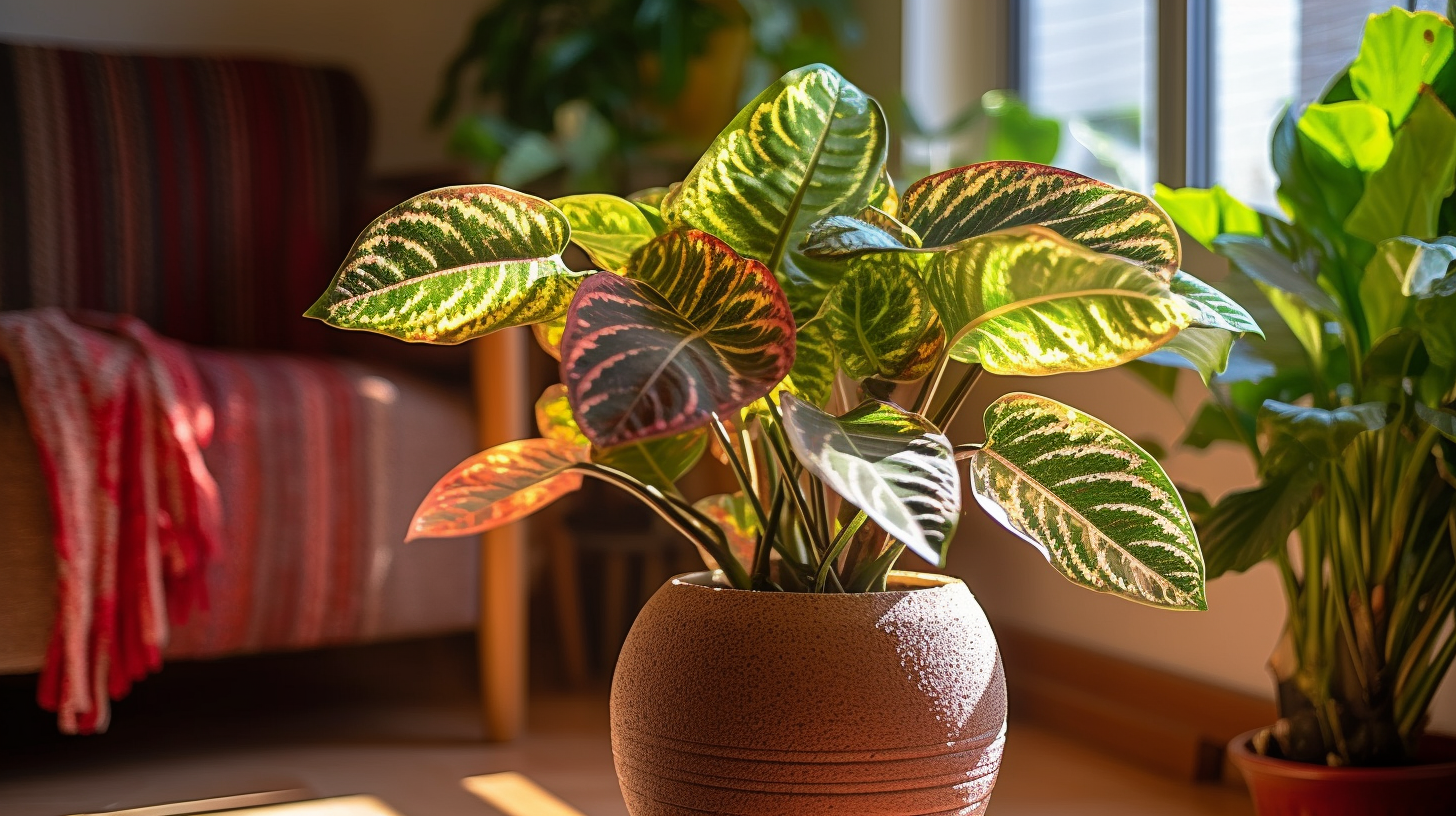
Red Prayer Plant
The Red Prayer Plant (Maranta leuconeura), known for its vibrant foliage and unique leaf movements, is a fantastic indoor plant with several appealing qualities. Here’s why it’s a great choice and tips on its care:
Benefits of Red Prayer Plant:
- Striking Foliage: The Red Prayer Plant’s leaves are colorful and intricately patterned, making it a visually captivating addition to indoor spaces.
- Leaf Movement: This plant exhibits a fascinating behavior known as “nyctinasty,” its leaves fold upward in the evening, resembling praying hands, and unfold during the day, adding an interactive element to its charm.
- Adaptability: The Red Prayer Plant is adaptable to indoor conditions, making it suitable for various settings, from homes to offices.
Light Requirements:
The Red Prayer Plant thrives in medium to bright, indirect light. While it can tolerate lower light levels, providing indirect sunlight enhances its growth and promotes vibrant leaf colors. Direct sunlight should be avoided, as it can scorch the leaves.
Care Tips:
- Watering: Keep the soil consistently moist but not waterlogged. The Red Prayer Plant prefers slightly higher humidity levels, so misting the leaves or placing a tray of water nearby can be beneficial.
- Soil: Use a well-draining potting mix with added organic matter to retain moisture. A mix designed for tropical plants or a peat-based blend is suitable.
- Container: Choose a pot with drainage holes to prevent water accumulation at the roots. Ensure the pot size is proportionate to the plant’s size.
- Temperature and Humidity: Maintaining average room temperatures and higher humidity levels for optimal growth. Also, protect the plant from drafts and sudden temperature fluctuations.
- Fertilizing: Feed the Red Prayer Plant with a balanced, diluted liquid fertilizer every 4-6 weeks during the growing season (spring and summer). Reduce or eliminate fertilization in the fall and winter.
- Pruning: Trim any yellow or damaged leaves to maintain the plant’s appearance. Regular pruning encourages bushier growth.
- Propagation: Red Prayer Plants can be propagated through division or stem cuttings. Propagate during the growing season for the best results.
In summary, the Red Prayer Plant is an excellent indoor choice. It offers visual appeal and engaging leaf movement that captivates plant enthusiasts. This plant can flourish with proper care, adding a touch of color and vibrancy to your indoor environment.

Areca Palm
The Areca Palm (Dypsis lutescens), commonly known as the Butterfly Palm or Golden Cane Palm, is a popular indoor plant cherished for its graceful fronds and air-purifying properties. Here’s why it’s a great choice and tips on its care:
Benefits of Areca Palm:
- Aesthetic Appeal: With its feathery, arching fronds, the Areca Palm adds a touch of tropical elegance to indoor spaces, creating a lush and vibrant atmosphere.
- Air Purification: The areca palm is recognized for its ability to remove indoor air pollutants such as formaldehyde, benzene, and trichloroethylene, contributing to improved air quality.
- Low Maintenance: This palm species is relatively low-maintenance, making it suitable for seasoned plant enthusiasts and those new to indoor gardening.
Light Requirements:
The Areca Palm thrives in bright, indirect light. While it can tolerate lower light levels, ample indirect sunlight enhances its growth and maintains the plant’s health. Direct sunlight should be avoided, as it can scorch the fronds.
Care Tips:
- Watering: Keep the soil consistently moist but not waterlogged. Allow the top inch of the soil to dry out before watering again. Avoid overwatering, as this can lead to root rot.
- Soil: Use a well-draining potting mix with added perlite or sand to ensure good drainage. A mix designed for palms or tropical plants is suitable.
- Container: Choose a pot with drainage holes to prevent water accumulation. Ensure the pot size is proportionate to the plant’s size.
- Temperature and Humidity: Areca Palms thrive in warm, humid conditions. Maintain average room temperatures and consider increasing humidity levels by misting the fronds or using a humidifier.
- Fertilizing: Feed the Areca Palm with a balanced, diluted liquid fertilizer every 4-6 weeks during the growing season (spring and summer). Reduce or eliminate fertilization in the fall and winter.
- Pruning: Trim any yellow or damaged fronds using clean, sharp scissors. Regular pruning helps maintain the plant’s appearance and encourages healthy growth.
In summary, the Areca Palm is a beautiful indoor plant, valued for its aesthetic appeal and its air-purifying qualities. With proper care, this palm can thrive, transforming your indoor space into a tropical haven of greenery.
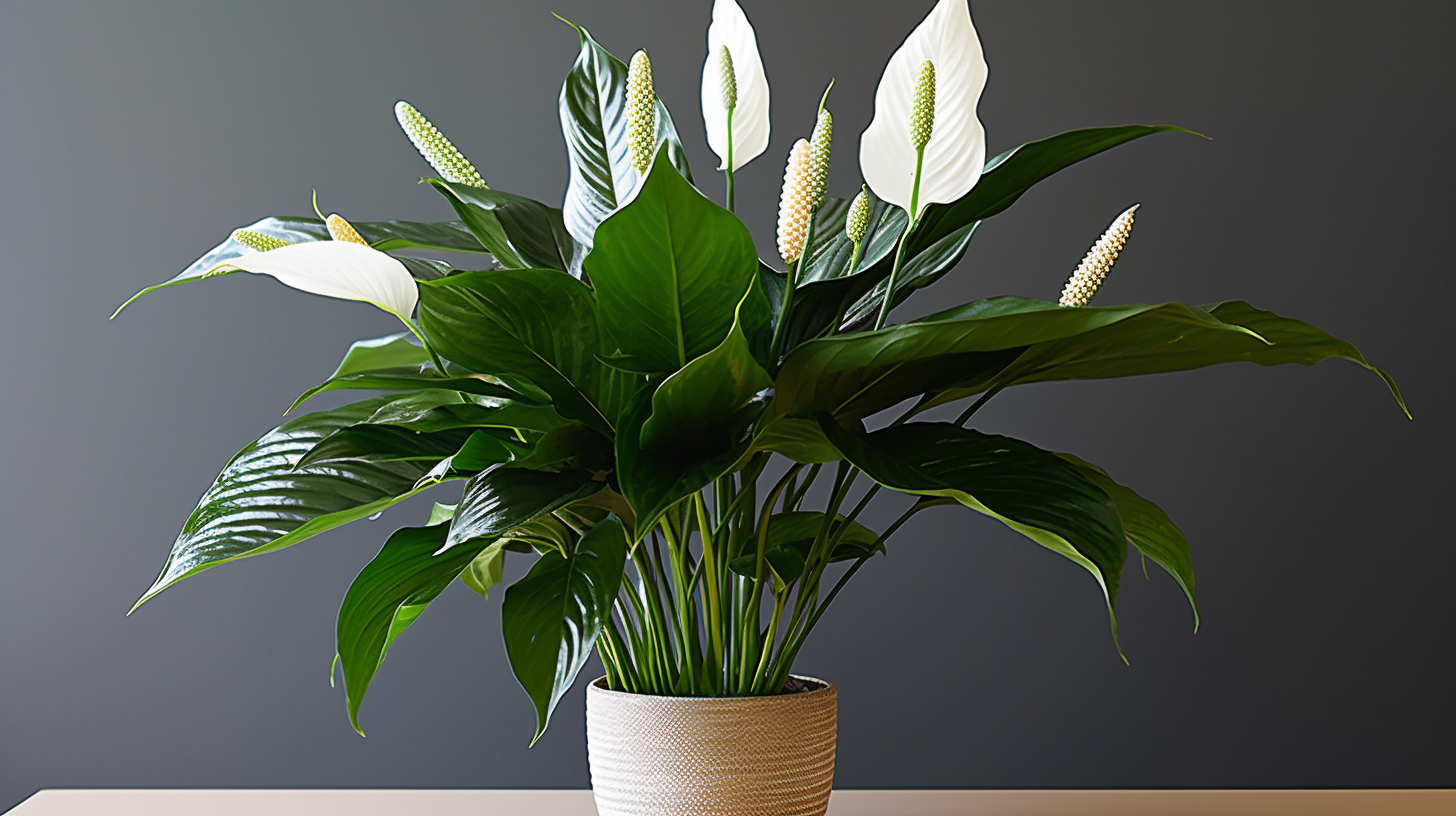
Peace Lily
The Peace Lily (Spathiphyllum) is a popular and versatile indoor plant celebrated for its elegant white blooms and air-purifying capabilities. Here’s why it’s a great choice and tips on its care:
Benefits of Peace Lily:
- Graceful Blooms: The Peace Lily produces distinctive white flowers, called spathes, that gracefully rise above the dark green foliage, creating a striking contrast and adding a touch of sophistication to indoor spaces.
- Air Purification: The Peace Lily is renowned for its ability to filter indoor air pollutants such as benzene, formaldehyde, and trichloroethylene, contributing to improved air quality.
- Adaptability: This plant is adaptable to various indoor conditions, making it suitable for multiple settings, from homes to offices.
Light Requirements:
Peace Lilies thrive in low to medium light conditions. While they can tolerate lower light levels, providing them with some indirect sunlight enhances their blooming potential. Avoid placing them in direct sunlight, as this can scorch the leaves.
Care Tips:
- Watering: Keep the soil consistently moist but not soggy. Peace Lilies are sensitive to overwatering, so allow the top inch of the soil to dry out before watering again. Drooping leaves indicate that the plant needs water.
- Soil: Use a well-draining potting mix rich in organic matter. A mix designed for peace lilies or general-purpose indoor plants is suitable.
- Container: Choose a pot with drainage holes to prevent waterlogged conditions. Ensure the pot size is appropriate for the plant’s size.
- Temperature and Humidity: Peace Lilies prefer average room temperatures and higher humidity levels. While they can tolerate lower humidity, misting the leaves or placing a tray of water nearby can help increase humidity.
- Fertilizing: Feed the Peace Lily with a balanced, diluted liquid fertilizer every 6-8 weeks during the growing season (spring and summer). Reduce or eliminate fertilization in the fall and winter.
- Pruning: Trim any yellow or damaged leaves to maintain the plant’s appearance. Remove spent flowers to encourage continuous blooming.
- Repotting: Peace Lilies may benefit from repotting every 1-2 years or when they outgrow their current container.
The Peace Lily is an excellent indoor plant known for its beauty and air-purifying qualities. This elegant plant can thrive with proper care, bringing visual appeal and health benefits to your indoor environment.
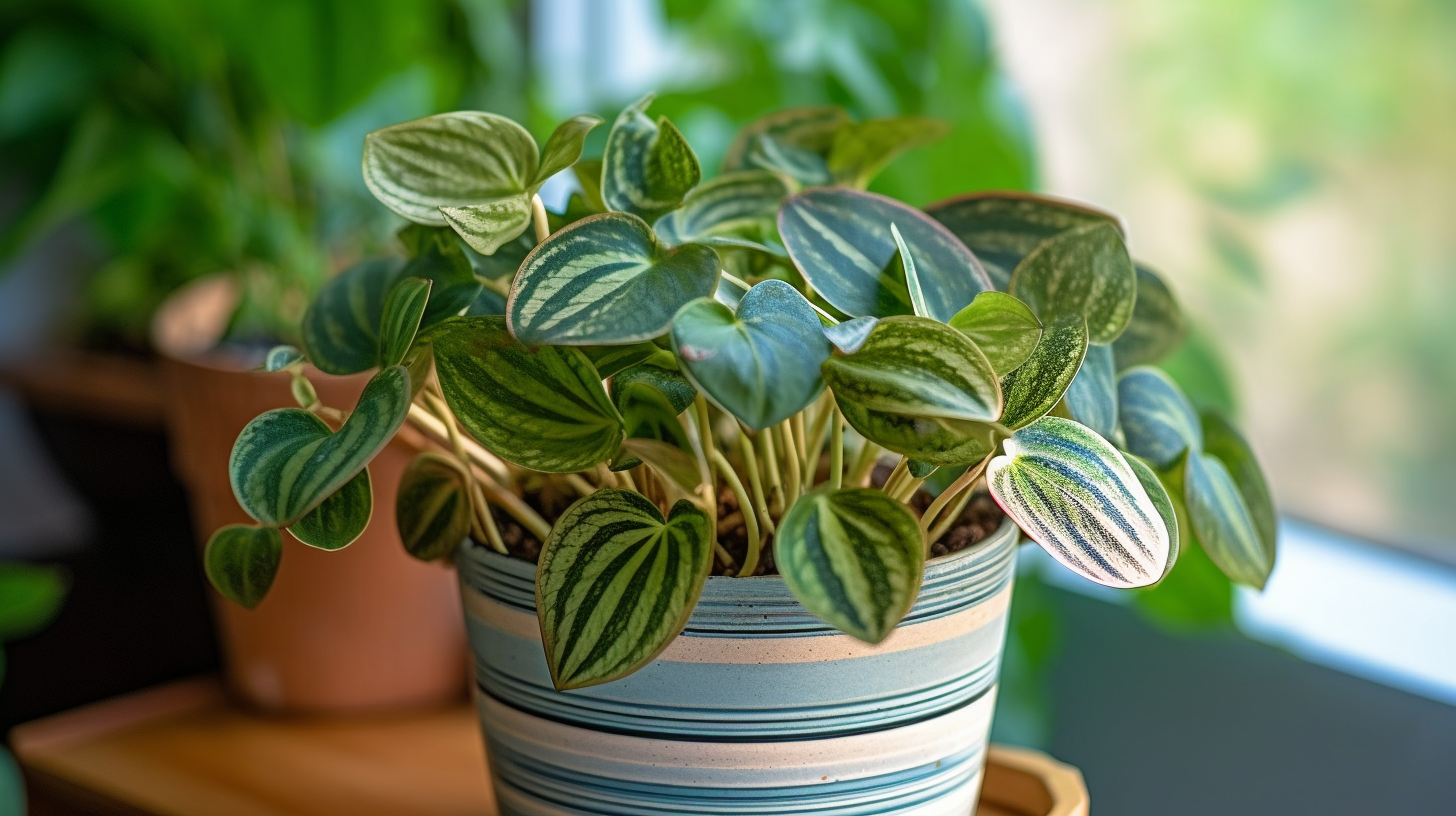
Peperomia
Peperomia is a popular indoor plant cherished for its diverse foliage and easy-care nature. Here’s why it’s a great choice and tips on its care:
Benefits of Peperomia:
- Variety of Foliage: Peperomias come in various leaf shapes, colors, and textures, making them a visually interesting and diverse addition to indoor spaces.
- Compact Size: With their compact growth habit, Peperomias are suitable for small spaces, making them ideal for apartments, offices, or desktop plants.
- Low Maintenance: Peperomias are known for their low maintenance requirements. They are forgiving of occasional neglect and well-suited for beginners and experienced plant enthusiasts.
Light Requirements:
Peperomias thrive in medium to bright, indirect light. They can tolerate lower light conditions, but providing them with some indirect sunlight promotes healthier growth and vibrant foliage colors. Avoid exposing them to direct sunlight, which can scorch the leaves.
Care Tips:
- Watering: Allow the top inch of the soil to dry out before watering. Peperomias prefer slightly moist soil but are susceptible to root rot if overwatered. Adjust the watering frequency based on the specific variety of Peperomia and environmental conditions.
- Soil: Use a well-draining, lightweight potting mix. A mix designed for succulents or a combination of peat moss and perlite is suitable.
- Container: Choose a pot with drainage holes to prevent waterlogging. Ensure the pot size is proportionate to the plant’s size.
- Temperature and Humidity: Peperomias thrive in average room temperatures and adapt well to normal humidity levels. Protect them from drafts and sudden temperature fluctuations.
- Fertilizing: Feed the Peperomia with a balanced, diluted liquid fertilizer every 6-8 weeks during the growing season (spring and summer). Reduce or eliminate fertilization in the fall and winter.
- Pruning: Trim any leggy or damaged stems to maintain the plant’s compact shape. Pinching back the tips can encourage bushier growth.
- Propagation: Peperomias are easily propagated through leaf or stem cuttings. Propagate during the growing season for the best results.
Peperomia is a versatile and charming indoor plant, valued for its unique foliage and undemanding care requirements. With proper attention to light, water, and soil conditions, Peperomias can thrive and bring a touch of greenery to your indoor environment.
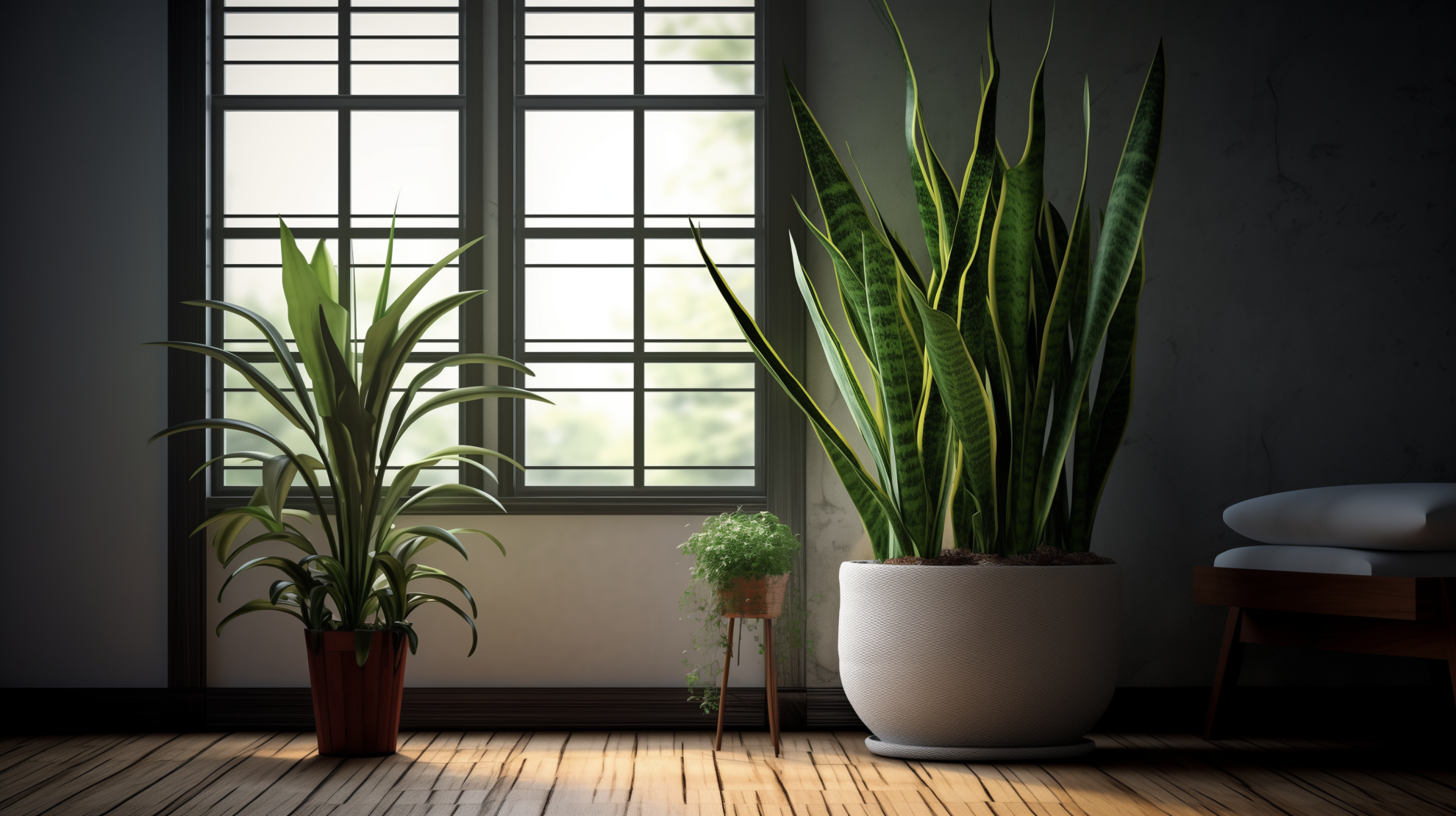
Snake Plant
The Snake Plant (Sansevieria), also known as Mother-in-law’s Tongue, is a popular indoor plant renowned for its resilience, air-purifying properties, and minimal care requirements. Here’s why it’s a great choice and tips on its care:
Benefits of Snake Plant:
- Air Purification: The Snake Plant is highly effective at removing indoor air pollutants, such as benzene, formaldehyde, trichloroethylene, and nitrogen oxide, improving indoor air quality.
- Low Maintenance: The snake plant is an excellent choice for beginners to indoor gardening or individuals with busy lifestyles. It is known for its hardiness and ability to tolerate neglect.
- Adaptability: Snake Plants are adaptable to various indoor conditions, including low light levels, making them suitable for different environments.
Light Requirements:
The Snake Plant can thrive in various light conditions, from low to bright, indirect light. While it can tolerate lower light levels, providing it with some indirect sunlight enhances its growth and maintains the vibrancy of its foliage. It is highly tolerant of low-light conditions, making it suitable for areas with limited natural light.
Care Tips:
- Watering: Allow the soil to dry out between waterings. Snake Plants are drought-tolerant and prefer slightly dry conditions. Overwatering can lead to root rot, so avoiding waterlogged soil is crucial.
- Soil: To prevent water retention, use a well-draining potting mix, such as a cactus or succulent mix. Snake Plants are adaptable to various soil types.
- Container: Choose a pot with drainage holes to facilitate proper drainage. Snake Plants are resilient and can thrive in various pot sizes.
- Temperature and Humidity: Snake Plants are adaptable to various temperatures and humidity levels. They can tolerate average room temperatures and normal indoor humidity.
- Fertilizing: Feed the Snake Plant sparingly with a balanced, diluted liquid fertilizer every 6-8 weeks during the growing season (spring and summer). Reduce or eliminate fertilization in the fall and winter.
- Pruning: Trim any yellow or damaged leaves close to the soil level. Snake Plants are slow growers and generally do not require extensive pruning.
- Propagation: Snake Plants can be propagated through division or leaf cuttings. Propagate during the growing season for optimal results.
The Snake Plant is an outstanding indoor plant celebrated for its resilience, air-purifying capabilities, and adaptability to various light conditions. This hardy plant can thrive with minimal care and bring visual appeal and health benefits to your indoor space.
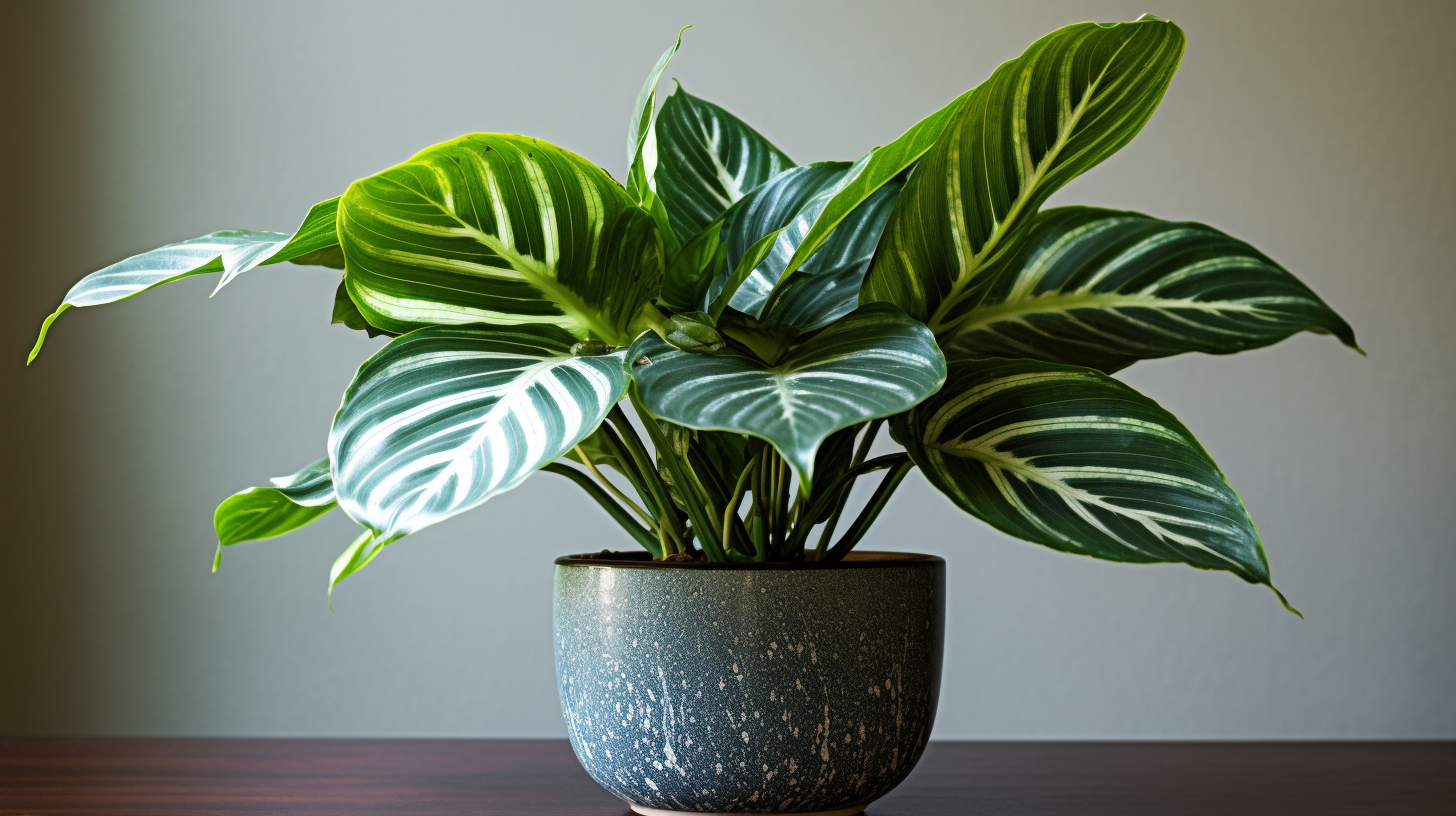
Peacock Plant
The Peacock Plant, scientifically known as Calathea makoyana, is a captivating indoor plant cherished for its stunning foliage and unique characteristics. Here’s why it’s a great choice and tips on its care:
Benefits of Peacock Plant:
- Striking Foliage: The Peacock Plant’s leaves are intricately patterned and vibrantly mixed green hues, resembling the beautiful plumage of a peacock. Thus, it is a visually stunning addition to indoor spaces.
- Air Purification: Like many houseplants, the Peacock Plant contributes to improved indoor air quality by helping filter and cleanse the air of pollutants.
- Interactive Leaves: The Peacock Plant’s leaves exhibit a fascinating behavior known as “nyctinasty,” where they open in the morning and close in the evening. This adds an interactive and dynamic element to the plant’s appeal.
Light Requirements:
The Peacock Plant thrives in medium to bright, indirect light. While it can tolerate lower light conditions, providing it with some indirect sunlight enhances its growth and maintains the vibrancy of its foliage. Direct sunlight should be avoided, as it can scorch the leaves.
Care Tips:
- Watering: Keep the soil consistently moist but not waterlogged. The Peacock Plant prefers slightly higher humidity levels, so misting the leaves or placing a tray of water nearby can be beneficial.
- Soil: Use a well-draining potting mix rich in organic matter. A mix designed for tropical plants or combining peat moss and perlite is suitable.
- Container: Choose a pot with drainage holes to prevent water accumulation. Ensure the pot size is proportionate to the plant’s size.
- Temperature and Humidity: The Peacock Plant thrives in warm, humid conditions. Maintain average room temperatures and consider increasing humidity levels by misting the leaves or using a humidifier.
- Fertilizing: Feed the Peacock Plant with a balanced, diluted liquid fertilizer every 4-6 weeks during the growing season (spring and summer). Reduce or eliminate fertilization in the fall and winter.
- Pruning: Trim any yellow or damaged leaves close to the soil level. Regular pruning helps maintain the plant’s appearance and encourages healthy growth.
- Protect from Drafts: The Peacock Plant is sensitive to drafts, so protecting it from sudden temperature changes or breezy conditions is essential.
The Peacock Plant is an excellent indoor choice, admired for its exquisite foliage and unique characteristics. This tropical beauty can thrive with proper care, bringing a touch of elegance and dynamism to your indoor environment.
Dumb Cane
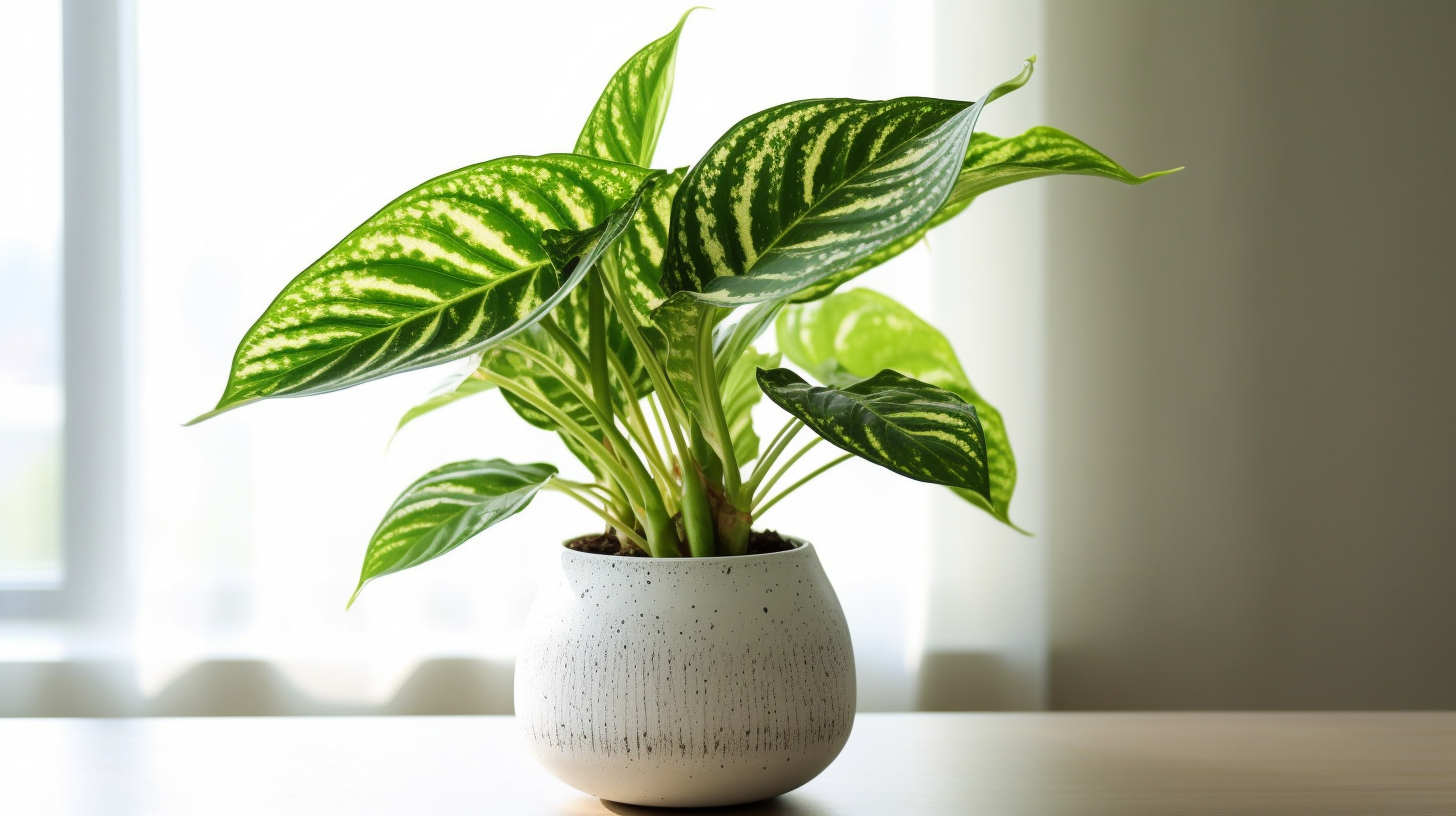
The Dumb Cane plant, scientifically known as Dieffenbachia, is a popular indoor plant appreciated for its attractive foliage and ease of care. Here’s why it’s a great choice and tips on its care:
Benefits of Dumb Cane:
- Bold Foliage: Dumb Cane boasts large, bold leaves with distinctive patterns, making it a visually appealing and decorative addition to indoor spaces.
- Air Purification: Like many houseplants, Dumb Cane contributes to improved indoor air quality by filtering and removing common pollutants.
- Adaptability: Dumb Cane is adaptable to various indoor conditions, making it suitable for different environments and skill levels of plant enthusiasts.
Light Requirements:
Dumb Cane thrives in medium to bright, indirect light. While it can tolerate lower light conditions, providing it with some indirect sunlight enhances its growth and maintains the vibrancy of its foliage. Avoid exposing it to direct sunlight for extended periods, which can scorch the leaves.
Care Tips:
- Watering: Keep the soil consistently moist but not waterlogged. Allow the top inch of the soil to dry out between waterings. Dumb Cane prefers slightly higher humidity levels, so misting the leaves or placing a tray of water nearby can be beneficial.
- Soil: Use a well-draining potting mix with added organic matter. A mix designed for tropical plants or combining peat moss and perlite is suitable.
- Container: Choose a pot with drainage holes to prevent water accumulation. Ensure the pot size is proportionate to the plant’s size.
- Temperature and Humidity: Dumb Cane thrives in warm, humid conditions. Maintain average room temperatures and consider increasing humidity levels by misting the leaves or using a humidifier.
- Fertilizing: Feed the Dumb Cane with a balanced, diluted liquid fertilizer every 4-6 weeks during the growing season (spring and summer). Reduce or eliminate fertilization in the fall and winter.
- Pruning: Trim any yellow or damaged leaves close to the soil level. Regular pruning helps maintain the plant’s appearance and encourages healthy growth.
- Toxicity: Be aware that Dumb Cane sap can cause skin irritation and is toxic if ingested. Keep it out of reach of pets and children.
The Dumb Cane is a fantastic indoor plant known for its bold foliage and adaptability. With proper care, this tropical beauty can thrive, adding a touch of sophistication to your indoor environment.

Dragon Tree
The Dragon Tree, scientifically known as Dracaena marginata, is a popular indoor plant valued for its sleek appearance, air-purifying qualities, and ease of care. Here’s why it’s a great choice and tips on its care:
Benefits of Dragon Tree:
- Architectural Appeal: The Dragon Tree features slender, upright stems with tufts of long, arching leaves, creating a distinctive architectural presence that enhances the aesthetic of indoor spaces.
- Air Purification: Like many Dracaena species, the Dragon Tree contributes to improved indoor air quality by filtering and removing common pollutants, including formaldehyde and benzene.
- Adaptability: Dragon Trees are adaptable to various indoor conditions, making them suitable for different environments and plant enthusiasts’ skill levels.
Light Requirements:
The Dragon Tree thrives in medium to bright, indirect light. While it can tolerate lower light conditions, providing it with some indirect sunlight enhances its growth and maintains the vibrancy of its foliage. Avoid exposing it to direct sunlight for extended periods, which can scorch the leaves.
Care Tips:
- Watering: Allow the top inch of the soil to dry out between waterings. Dragon Trees prefer slightly drier conditions and are susceptible to root rot if overwatered. Adjust the watering frequency based on the specific environmental conditions.
- Soil: Use a well-draining potting mix with added perlite or sand to ensure good drainage. A mix designed for tropical plants or combining peat moss and perlite is suitable.
- Container: Choose a pot with drainage holes to prevent water accumulation. Ensure the pot size is proportionate to the plant’s size.
- Temperature and Humidity: Dragon Trees thrive in average room temperatures and adapt well to normal indoor humidity levels. Protect them from drafts and sudden temperature fluctuations.
- Fertilizing: Feed the Dragon Tree with a balanced, diluted liquid fertilizer every 4-6 weeks during the growing season (spring and summer). Reduce or eliminate fertilization in the fall and winter.
- Pruning: Trim any yellow or damaged leaves close to the stem to maintain the plant’s appearance. Regular pruning can help shape the plant and encourage healthy growth.
In summary, the Dragon Tree is an excellent indoor plant known for its sleek design and adaptability. With proper care, this stylish air-purifying plant can thrive, adding a touch of sophistication to your home or office.
The Ultimate Guide to Low-Light Indoor Plants for a Lush Home
In the quest for a vibrant and low-maintenance indoor garden, our guide to low-light houseplants offers a treasure trove of options for plant enthusiasts. From the resilient Snake Plant to the visually captivating Peacock Plant, these green companions are perfect for those with busy schedules, dim living spaces, or a penchant for travel. Embracing the ongoing science experiment that is houseplant care, we’ve highlighted 13 low-light plants that defy the myth of needing “zero” sunlight.
Discover the beauty of Lucky Bamboo, the air-purifying qualities of Peace Lily, and the striking foliage of the Red Prayer Plant—all thriving with minimal sunlight. Unravel the benefits of low-light plants, such as their air-purifying capabilities and low maintenance, creating a lush and inviting atmosphere within your home.
While sharing insights into common mistakes and essential care tips, we’ve empowered even the self-proclaimed “houseplant serial killers” to foster thriving greenery. From watering techniques to choosing the suitable soil and container, this guide equips you with the knowledge to cultivate a successful indoor garden.
As summer approaches, there’s no better time to bring the beauty of the outdoors to your backyard. Paradise Landscape and Hardscapes in Annapolis, MD, is your go-to partner for transforming your outdoor space. Whether you dream of a tranquil garden oasis or envision a stunning pavers patio, now is the perfect moment to turn those dreams into reality.
Contact Paradise Landscape and Hardscapes today and embark on a journey to create your own slice of paradise right at home! Summer is on the horizon—let’s make it extraordinary.